Florida Climate & Durability · 3 min read
How to Prevent Paint Peeling on Your Florida Home (6 Steps)
Peeling paint on a South Florida home is almost always preventable. These 6 steps are what we've used for nearly 50 years to deliver paint jobs that last, not ones you're repainting in three years.
By John 'The Greek' Painting · Published · South Florida
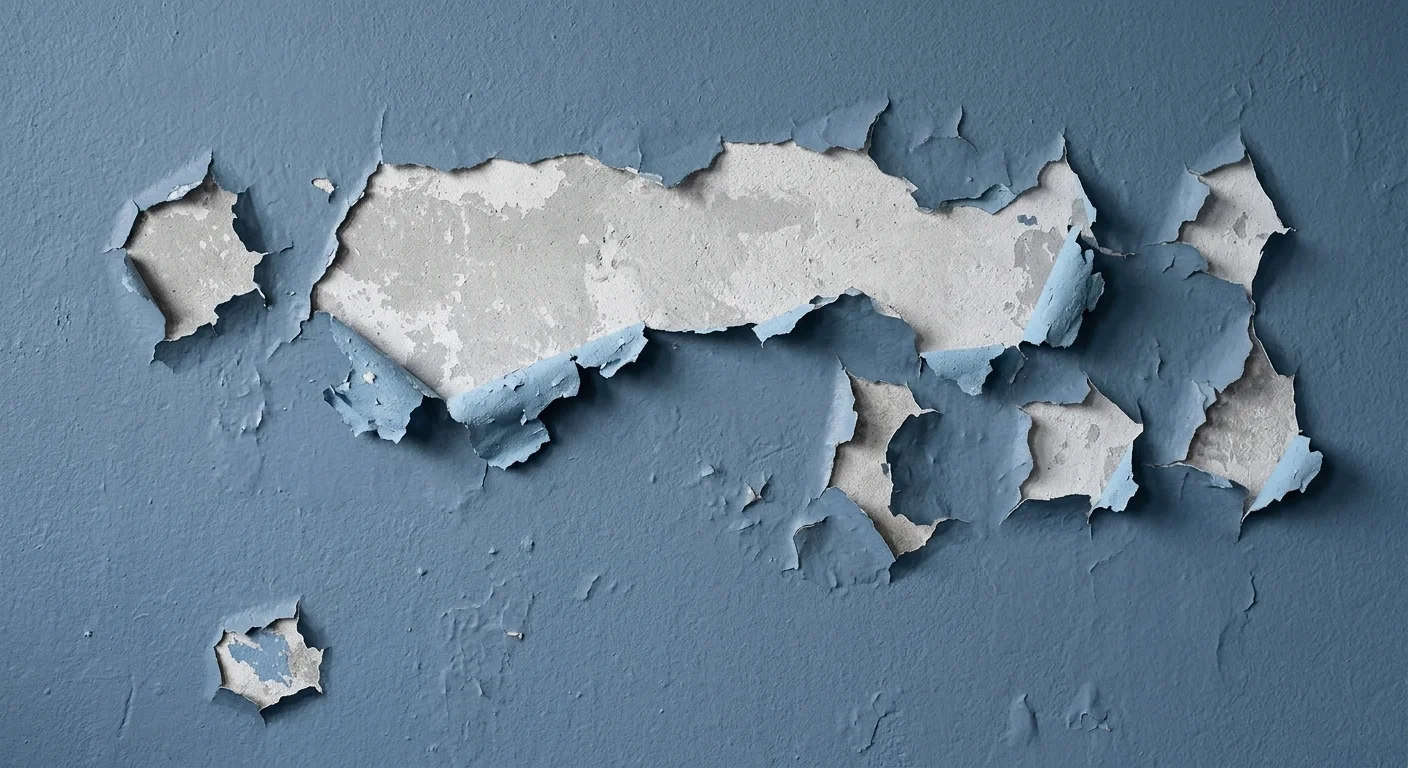
TL;DR: Six steps: fix moisture, scrape & sand, pressure wash, treat mildew, prime, then topcoat with quality 100% acrylic or elastomeric.
To prevent paint from peeling on a Florida home, follow these six steps: fix moisture intrusion, scrape and sand all loose paint, pressure wash and dry fully, treat mildew, apply the correct primer, and use quality 100% acrylic or elastomeric topcoat. Skip any step and peeling is almost guaranteed within a few years. We've been painting South Florida homes since 1977. This process is what separates paint jobs that last 8 years from ones that fail in 3.
Why Florida destroys exterior paint
Three simultaneous threats make South Florida one of the hardest climates on paint anywhere in the country. Understand them, and the rest of this guide makes sense.
- 60in — Moisture, year-round: 60 inches of annual rainfall, 75%+ humidity, and airborne salt spray near the coast. Moisture is the primary reason paint fails here.
- 25°N — Extreme UV radiation: At latitude 25°N, South Florida gets some of the most intense UV in the U.S., degrading paint binders and causing chalking and adhesion loss.
- 15–20°F — Daily heat cycling: Temperatures swing 15–20°F between morning and afternoon, causing paint and substrate to expand and contract until flexible paint cracks.
The six steps to prevent peeling
Every step exists because skipping it causes a specific, predictable failure mode. Do them in order. None are optional on a Florida exterior.
- Find and fix the moisture source. Inspect caulking around windows, doors, and penetrations. It should be flexible and fully adhered. Check roof flashing, gutters, and stucco for cracks (even hairline ones let water in during driving rain), and verify the ground slopes away from the foundation. Fix everything that lets water in before any paint work starts.
- Tool
- Moisture meter, caulk gun
- Time
- 1 day, exterior walk-through
- Remove all loose and peeling paint. Use a 5-in-1 scraper to remove all flaking and loose paint. Sand areas with heavy chalking to expose the firm substrate beneath. Smooth the edges of all scraped areas with 80–120 grit sandpaper so there are no sharp ledges for water to catch under.
- Tool
- 5-in-1, 80–120 grit
- Outcome
- No sharp paint edges
- Kill mildew and pressure wash. Apply a mildewcide solution (1 part bleach to 4 parts water with a cleaning agent) to all affected areas. Let it dwell 10 minutes, then scrub and rinse. Pressure wash the entire surface to remove mildewcide, loose chalk, salt, and dust. Allow 24–48 hours to dry completely.
- Dwell
- 10 min, then rinse
- Dry time
- 24–48 hr before priming
- Fill cracks before priming. On stucco, fill all cracks with flexible elastomeric caulk or masonry patching compound rated for exterior use. Hairline cracks may not read as serious, but they're direct moisture pathways. Cracks wider than 1/8 inch may indicate structural movement. Consult a professional.
- Use
- Elastomeric caulk
- Escalate at
- > 1/8" width
- Apply the correct primer. Primer is where adhesion is established. Use masonry bonding primer for bare stucco and concrete block; oil-based or shellac primer for raw wood with tannin bleed; acrylic bonding primer over chalked surfaces; and rust-inhibitive primer for any metal. Two coats of primer on bare stucco or heavily repaired surfaces.
- Stucco
- Masonry bonding primer
- Raw wood
- Oil or shellac
- Chalked
- Acrylic bonding
- Metal
- Rust-inhibitive
- Choose and apply the right topcoat. For stucco and concrete block: an elastomeric coating (Sherwin-Williams Conflex XL, Benjamin Moore Elastomeric). It creates a flexible, waterproof membrane that bridges minor cracks. For wood and fiber cement: premium 100% acrylic exterior paint (Sherwin-Williams Duration, Benjamin Moore Aura) with built-in mildewcide. Apply two coats, observing the manufacturer's recoat window.
- Stucco
- Elastomeric, 2 coats
- Wood / fiber cement
- 100% acrylic, 2 coats
The two most expensive mistakes we see homeowners make are painting over damp stucco and skipping primer to save a day. Both will undo a $15,000 paint job inside two summers.
Crew Lead · John 'The Greek' Painting · 22 years on Florida exteriors
Maintenance that extends your paint job
A correctly-prepped paint job will last, but South Florida is unforgiving. Four small habits keep paint on the wall for the full warranty window.
- 1×/yr: Rinse exterior walls with a garden hose to remove salt, dust, and debris. Never pressure-wash for routine cleaning.
- Every 2–3 yr: Re-caulk around windows and doors. Caulk ages faster than paint in Florida's heat.
- 2×/yr: Clean gutters. Overflowing gutters saturate walls, especially at corners and fascia boards.
- On sight: Treat mildew spots immediately with diluted bleach rather than waiting for your next paint job.
How long should a proper paint job last?
When all six steps are followed with quality materials, here's the range to expect on each substrate. Coastal homes within 1 mile of the ocean see roughly 20–30% shorter lifespans, which is why we spec Fort Lauderdale canal-front and Palm Beach oceanfront homes differently from inland ones.
- Stucco & concrete block (Elastomeric coating): 7–10 yr
- Wood & fiber cement (Premium 100% acrylic): 5–7 yr
- Fences & exposed trim (High-exposure surfaces): 3–5 yr
- Coastal (< 1 mi from ocean) (Salt-air penalty): −20 to −30%
- Numbers reflect 49 years of field data across South Florida.
Frequently asked questions
How do I prevent paint from peeling on my Florida home?
Follow these six steps: fix the moisture source, scrape all loose paint, kill mildew and pressure wash, fill cracks, apply the correct primer, and use two coats of quality 100% acrylic or elastomeric paint. Skipping any step significantly reduces paint life.
What primer should I use on stucco in Florida?
Use a masonry bonding primer specifically rated for stucco and concrete block. On bare or heavily repaired stucco, apply two coats of primer. This creates the adhesion bond that prevents peeling. Without it, paint on bare stucco will fail within a few years.
Can I paint over old paint in Florida?
Yes, if the existing paint is firmly adhered and not chalking. Clean the surface, apply a bonding primer if there's any chalking, then two coats of 100% acrylic or elastomeric topcoat. If the existing paint is peeling, chalking heavily, or the surface is wet, you must remove the old paint and prep properly first.
How long does exterior paint last in South Florida?
With proper preparation and quality materials: 7–10 years on stucco and concrete block with elastomeric paint, 5–7 years on wood and fiber cement with premium acrylic, and 3–5 years on fences and exposed wood trim. Coastal homes may see shorter lifespans due to salt air.