Florida Climate & Durability · 3 min read
UV Damage and Paint Fade in South Florida
South Florida sits at latitude 25°N, one of the most UV-intense spots in the continental U.S. Here's what that does to your paint, and what actually slows it down.
By John 'The Greek' Painting · Published · South Florida
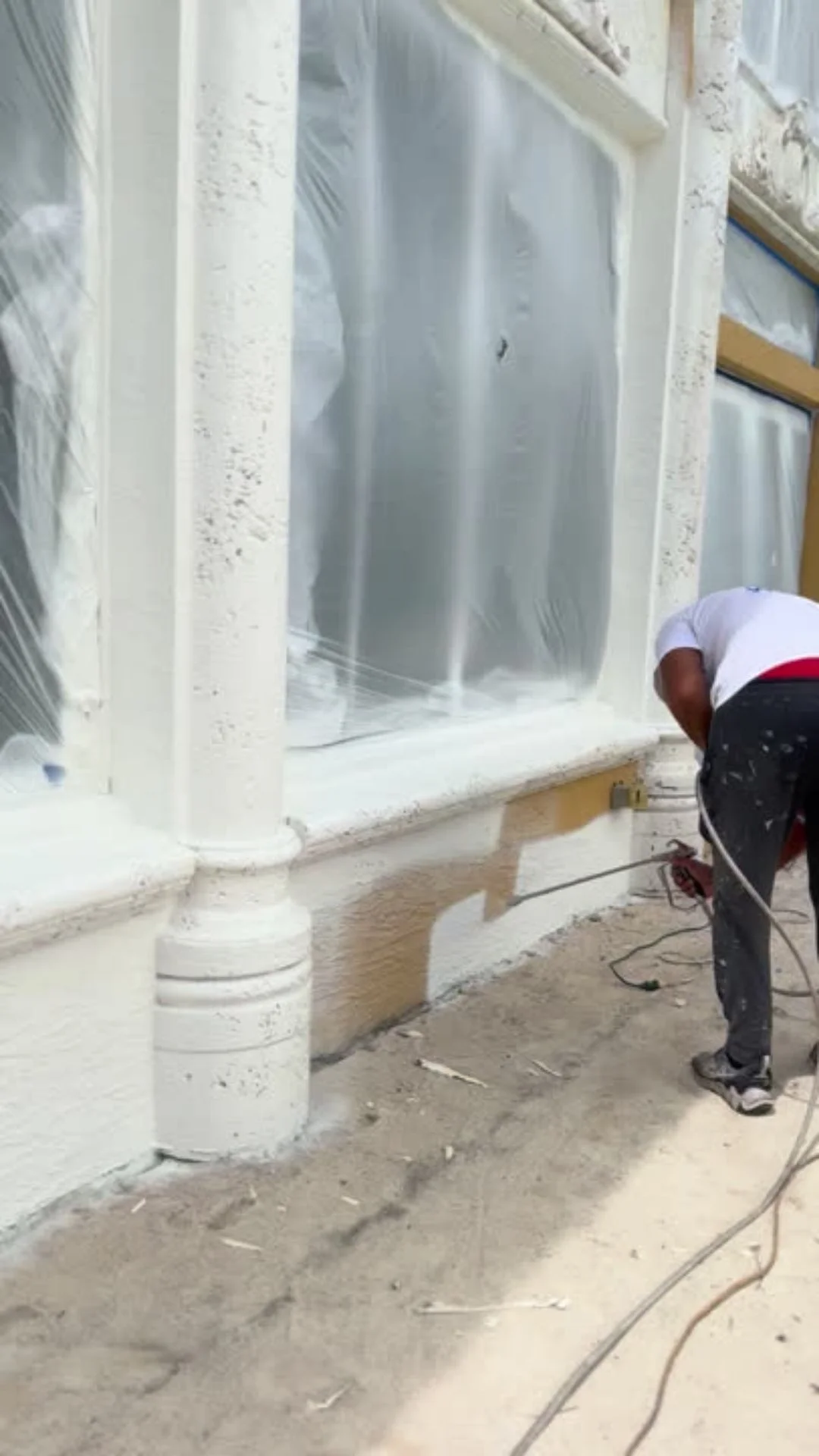
South Florida's UV radiation is among the most intense in the continental United States, and it's the primary reason exterior paint fades, chalks, and loses adhesion faster here than in almost any other region. After 49 years of painting homes across the region, we've seen which colors, products, and surfaces hold up, and which ones don't. Here's what UV actually does to your paint and how to make it last.
What UV Does to Exterior Paint
Ultraviolet radiation breaks down the chemical binders in paint, the resins that hold pigment to the surface. As binders degrade, three things happen:
- Fading: Pigment molecules break apart and colors shift, usually becoming lighter or taking on a yellowish cast. Dark colors fade fastest.
- Chalking: Degraded binders release pigment as a fine white powder on the surface. You'll see it when you run your hand across the wall.
- Adhesion loss: As binders weaken, paint separates from the substrate. This is where peeling begins. UV breaks the top, moisture finishes the job from below.
Which Colors Fade Fastest in Florida?
Not all colors are equal under South Florida sun. Darker colors absorb more UV and heat, accelerating binder breakdown:
- Dark blues, reds, and greens fade noticeably within 2–3 years. The pigment molecules in these colors are physically larger and break down faster under UV.
- Bright yellows and oranges shift toward a dull, chalky version within 1–2 years. These are the most UV-sensitive colors available.
- Earth tones (tans, beiges, warm whites) are the most UV-stable choices. The iron oxide pigments used are naturally UV-resistant and hold color 50–70% longer than organic pigments.
- Pure white shows chalking first (hard to see on white), but color shift is minimal. Best for maximum UV longevity.
Which Surfaces Are Most Vulnerable?
- South-facing walls receive the most direct sun exposure in the Northern Hemisphere. Paint on south-facing walls typically fades 30–40% faster than north-facing walls.
- Wood and fiber cement: the paint film is thinner on these substrates and degrades faster. 4–6 year repaint cycle vs. 7–10 on stucco.
- Flat or matte sheen has more surface area exposed to UV than satin or semi-gloss. We recommend satin as the minimum sheen for South Florida exteriors.
How to Slow UV Damage
You can't stop UV, but these choices make a measurable difference:
- Use 100% acrylic or elastomeric paint: these have UV-resistant binders that degrade significantly slower than oil-based or vinyl-acrylic products.
- Choose satin or low-sheen semi-gloss: the smoother surface reflects more UV and traps less heat than flat paint.
- Pick earth-tone pigments: iron oxide pigments in tans, beiges, and warm whites are inherently UV-stable and hold color years longer than organic pigments.
- Apply two full topcoats: film thickness directly correlates with UV resistance. A single thin coat fails in half the time.
- Rinse walls annually: it removes chalking residue and salt buildup that accelerate UV degradation by trapping heat against the paint film.
When Fading Means It's Time to Repaint
Fading alone doesn't always mean you need a full repaint. But when fading is accompanied by chalking (white powder on your hand when you rub the wall), cracking, or peeling, the paint film has lost its protective function and moisture will begin damaging the substrate. That's the point where waiting costs more. Substrate repair is far more expensive than a timely repaint.
Frequently asked questions
Why does exterior paint fade so fast in South Florida?
South Florida receives some of the most intense UV radiation in the continental U.S. UV breaks down paint binders, releasing pigment and causing color shift, chalking, and adhesion loss. Dark colors and flat sheens degrade fastest. Premium 100% acrylic paints with UV-resistant binders hold up significantly longer.
What exterior paint color fades the least in Florida?
Earth tones (tans, beiges, warm whites) fade the least because they use iron oxide pigments that are naturally UV-stable. Pure white also holds up well color-wise, though it shows chalking. Dark blues, reds, greens, and bright yellows fade the fastest.
Does paint sheen affect UV resistance?
Yes. Satin and semi-gloss sheens have smoother surfaces that reflect more UV and trap less heat than flat or matte finishes. For South Florida exteriors, satin is the minimum sheen we recommend. Flat paint degrades significantly faster under the same UV exposure.
How often should I repaint due to UV damage in South Florida?
With quality 100% acrylic paint: every 7–10 years on stucco and 5–7 years on wood. With dark colors or flat sheen, expect 30–40% shorter intervals. Watch for chalking, uneven fading, or peeling. These indicate the paint film has lost its protective function and it's time to repaint before substrate damage begins.